The A Meta-Analysis of Project-Based Learning’s Effect on Mathematical Communication Skills Across Educational Levels and Group Sizes
DOI:
https://doi.org/10.30736/reforma.v15i2.1250Keywords:
PjBL Model, MCS, Meta-Analysis, PRISMA, Project-Based Learning, Preferred Reporting Items for Systematic Reviews and Meta-Analyses (PRISMA), Effect Size, Hedge’s gAbstract
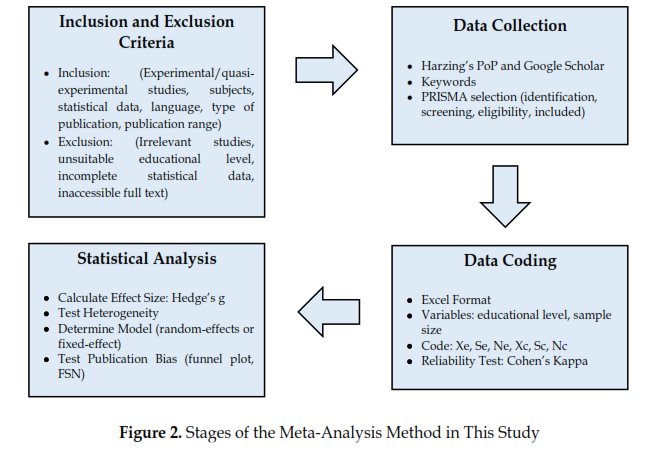
Mathematical Communication Skills (MCS) play a vital role in helping students structure their thinking and express mathematical ideas clearly and logically. Unfortunately, this skill remains relatively low due to limited interaction during instruction and the dominance of teacher-centered learning models. One innovative approach believed to address this issue is Project-Based Learning (PjBL), which positions students as active agents in the learning process. Numerous studies have indicated that PjBL can enhance MCS; however, it remains unclear which educational level and group size are most optimal for its implementation. This study aims to analyze the overall effect of PjBL on students’ MCS, as well as its impact across educational levels and sample sizes. A meta-analysis was conducted on eight published articles selected using PRISMA guidelines and analyzed using the Comprehensive Meta-Analysis (CMA) software. Effect sizes were calculated using Hedge’s g to measure the magnitude of the difference between the experimental and control groups. The results revealed that PjBL had a significant and moderately (0,785) effective impact on MCS, with students taught through PjBL demonstrating an average of 78.38% higher MCS compared to those in conventional learning environments. The highest effectiveness was found at the junior high school level, which aligns with Piaget’s view that students at this stage are in the concrete operational stage and are more responsive to activity-based and collaborative learning. Furthermore, PjBL was more effective when applied in smaller group sizes, as it allowed for more intensive interaction and support. However, the limited number and diversity of studies analyzed indicate a need for further research with broader coverage and more in-depth moderator analysis to obtain a more comprehensive understanding.
Downloads
References
Ambarwati, R., Dwijanto, & Hendikawati, P. (2015). Keefektifan Model Project-Based Learning Berbasis GQM Terhadap Kemampuan Komunikasi Matematis dan Percaya Diri Siswa Kelas VII. Unner Journal of Mathematics Education, 4(2), 180–186. https://doi.org/10,15294/ujme.v4i2.7601
Andriani, L., Suhirman, Ihsan, M. S., & Rahman, F. A. (2023). Pengaruh Model Pembelajaran Project Based Learning (PjBL) Terhadap Kemampuan Komunikasi dan Berpikir Kreatif Peserta Didik. Jurnal Inovasi Pendidikan dan Sains, 4(2), 102–107. https://doi.org/10,51673/jips.v4i2.1590
Apriani, P., Fikriyah, F., & Susilawati. (2024). Penerapan Model PjBL Untuk Meningkatkan Kemampuan Komunikasi Pada Mata Pelajaran Matematika di SD Negeri 3 Patrol Lor. J-CEKI: Jurnal Cendekia Ilmiah, 3(5), 3361–3368. https://doi.org/10,56799/jceki.v3i5.4737
Chalim, M. N., Mariani, S., & Wijayanti, K. (2019). Kemampuan Komunikasi Matematis Siswa SMK Ditinjau dari Self Efficacy pada Setting Pembelajaran Project Based Learning Terintegrasi STEM. PRISMA: Prosiding Seminar Nasional Matematika, 2, 540–550, https://journal.unneas.ac.id/sju/prisma/article/view/29049
Giovanti, L. L., Buchori, A., & Rahmawati, N. D. (2023). Efektivitas Problem Based Learning Berbantu Software Geogebra pada Materi Program Linear Terhadap Kemampuan Komunikasi Matematis Siswa SMA. Jurnal Lebesgue: Jurnal Ilmiah Pendidikan Matematika, 4(3), 1765–1776. https://doi.org/10,46306/lb.v4i3
Jais, E., Usa, S. La, & Intifadah, W. (2024). Pengaruh Model Project Based Learning (PjBL) Terhadap Kemampuan Komunikasi Matematis Siswa SMP Negeri 2 Baubau. Jurnal Akademik Pendidikan Matematika, 10(1), 32–36. https://doi.org/10,55340/japm.v10i1.1522
Kufa, W. E., & Susilowaty, N. (2022). Meta Analisis Pengaruh Model Pembelajaran Discovery Learning Terhadap Kemampuan Matematis Siswa. Jurnal Pedagogik, 5(2), 32–42. https://doi.org/10,35974/jpd.v5i2.2889
Lismayanti, N., Hutajulu, M., & Linda. (2024). Peningkatan Kemampuan Komunikasi Matematis Dengan Model Project Based Learning Berbantuan Geogebra: Solusi Inovatif Pendidikan Modern. JPMI: Jurnal Pembelajaran Matematika Inovatif, 7(6), 30–40, https://doi.org/10,22460/jpmi.v7i6.25267
Lubis, M. J. K., Pangaribun, F., & Tambunan, H. (2024). Pengaruh Model Pembelajaran Project Based Learning Terhadap Kemampuan Komunikasi Matematis Dan Self Confidence Siswa. Journal of Education, 06(02), 14842–14850, https://doi.org/10,31004/joe.v6i2.5356
Mahmudah, U. (2020). Meta Analisis Pengaruh Model Discovery Learning dan Problem Based Learning Terhadap Kemampuan Berpikir Kritis Matematis Peserta Didik Kelas V SD. Thinking Skills and Creativity Journal, 3(2), 69–78. https://doi.org/10,23887/tscj.v3i2.29721
Mulyawati, S., Suwandono, & Rohman, M. S. (2018). Keefektifan Model Pembelajaran Berbasis Proyek (Project Based Learning) Terhadap Komunikasi Matematis dan Prestasi Belajar Matematika. Integral (Jurnal Penelitian Pendidikan Matematika), 1(1), 1–9. https://doi.org/10,24905/jppm.v1i1.17
Paloloang, M. F. B., Juandi, D., Tamur, M., Paloloang, B., & Adem, A. M. G. (2021). Meta-Analysis: Mengevaluasi Efektivitas Problem-Based Learning pada Kemampuan Pemahaman Matematis Siswa. Journal of Honai Math, 4(1), 1–18. https://doi.org/10,24127/ajpm.v9i4.3049
Ramadhan, A. F., & Zaidal, N. (2024). Penerapan Data Mining dalam Pengelompokkan Penyebaran Data Mahasiswa Baru untuk Strategi Promosi Program Studi Teknik Informatika (Studi Kasus: IIB Darmajaya). Scientica (Jurnal Ilmiah Sains dan Teknologi), 2(2), 243–250, https://doi.org/10,572349/scientica.v2i2.1000
Ruqoyyah, S., Arga, H. S. P., Kelana, J. B., & Altaftazani, D. H. (2020). Pengaruh Model Project Based Learning Berbantuan Barang Bekas Terhadap Kemampuan Komunikasi Matematis Siswa Pendidikan Guru Sekolah Dasar. Jurnal Ilmiah P2M STKIP Siliwangi, 7(2), 126–133. https://doi.org/10,22460/p2m.v7i2p%25p.2008
Sari, Y. K., Juandi, D., Tamur, M., & Adem, A. M. G. (2021). Meta-Analysis: Mengevaluasi Efektivitas Problem Based Learning Pada Kemampuan Pemahaman Matematis Siswa. Journal of Honai Math, 4(1), 1–18. https://doi.org/10,30862/jhm.v4i1.144
Septaria, K., Fatharani, A., & Baihaqi, A. (2025). Are Scrapbooks Able to Increase Tsunami Disaster Literacy? An Analytical Study of Junior High School Students Materials. SEJ (Science Education Journal), 9(2), 115-133. https://doi.org/10.21070/sej.v9i2.1656
Septaria, K., Fatharani, A., Supardi, Z. A. I., Suyono, S., & Regita, M. A. (2025). Pengembangan Sikap Ilmiah Abad 21 Melalui Lembar Kerja Berbasis Teori Pembelajaran Sosial pada Materi Listrik Statis. Jurnal Penelitian Sains dan Pendidikan (JPSP), 5(1), 65-86. https://doi.org/10.23971/jpsp.v5i1.9758
Sho'idah, Y., Septaria, K., & Wulandari, S. A. (2025). Analysis of Student Scientific Communication Based on The Development and Use of Diorama Media Using The Guided Inquiry Model. Reforma: Jurnal Pendidikan dan Pembelajaran, 15(1), 24-47. https://doi.org/10.30736/reforma.v15i1.1207
Hendratmoko, A. F., Puspitarini, S., Budiyanto, M., Rahman, N., Septaria, K., & Marpuah, S. (2025). Think-Aloud Protocol as a Method for Exploring and Understanding the Argumentation Skills of Pre-Service Science Teachers. Prisma Sains: Jurnal Pengkajian Ilmu dan Pembelajaran Matematika dan IPA IKIP Mataram, 13(2), 268-282. https://doi.org/10.33394/j-ps.v13i2.15214
Septaria, K., Fatharani, A., Dewanti, B. A., & Najawa, W. C. (2024). Designing Pirposal-learning based Module integrated with Socio-Scientific Issue to Enhance Students’ Scientific Reasoning Skill. Indonesian Journal of Mathematics and Natural Science Education, 5(2), 122-134. https://doi.org/10.35719/mass.v5i2.162
Septaria, K., Nissak, K., & Wulandari, S. A. (2023). Student Identity and Guided Inquiry Learning in Junior High School Students: A Correlation Analysis. Jurnal Penelitian Pendidikan IPA, 9(10), 8351-8358. https://doi.org/10.29303/jppipa.v9i10.4584
Septaria, K., Dewanti, B. A., & El Afidah, M. I. (2020). Development of module disaster mitigation based on STEM for secondary schools. JPPIPA (Jurnal Penelitian Pendidikan IPA), 5(2), 61-68. https://doi.org/10.26740/jppipa.v5n2.p61-68
Septaria, K. (2019). Mengeksplorasi Argumentasi dan Pengetahuan Pendidik Ilmu Pengetahuan Alam (IPA) tentang Pemanasan Global. PEDAGOGIA: Jurnal Pendidikan, 8(2), 247-256. https://doi.org/10.21070/pedagogia.v8i2.2369
Septaria, K., & Fatharani, A. (2022). Analisis Penggunaan Software PlantNet Terhadap Pemerolehan Konsep Dan Keterampilan Prosedural Siswa. Indonesian Journal of Educational Science (IJES), 5(1), 73-83. https://doi.org/10.31605/ijes.v5i1.1604
Septaria, K., Dewanti, B. A., & Habibbulloh, M. (2019). Implementasi metode pembelajaran spot capturing pada materi pemanasan global untuk meningkatkan keterampilan proses sains. Prisma Sains: Jurnal Pengkajian Ilmu dan Pembelajaran Matematika dan IPA IKIP Mataram, 7(1), 27-37. https://doi.org/10.33394/j-ps.v0i0.1379
Septaria, K., & Fatharani, A. (2022). Manga versus webtoon: Alternative science learning module based on Dr Stone. Jurnal Inovasi Pendidikan IPA, 8(1), 11-22. https://doi.org/10.21831/jipi.v8i1.43389
Septaria, K., & Haque, E. H. (2022). Upaya Peningkatan Pengetahuan Masyarakat terhadap Covid-19 Menggunakan Media Poster. TAAWUN, 2(02), 115-124.
Septaria, K., Sholihin, M., Kholiq, A., Hayati, E., & Maulana, V. I. P. (2022). Peningkatan Kualitas Pendidik dan Pembelajaran Menuju Madrasah yang Ungggul dan Berkelanjutan. Jurnal Berdaya Mandiri, 4(2), 167-181. https://doi.org/10.31316/jbm.v4i2.1742
Sihombing, D. C., & Susilowaty, N. (2023). Meta Analisis Pengaruh Model Pembelajaran Berbasis Proyek Terhadap Kemampuan Matematis Siswa. JP2M (Jurnal Pendidikan dan Pembelajaran Matematika), 9(1), 136–145. https://doi.org/10,29100/jp2m.v9i1.4028
Sudianto, & Yaqin, S. Sy. (2024). Efektivitas Model Project Based Learning Berbantuan Canva Terhadap Kemampuan Komunikasi Matematis Siswa. Jurnal Didactical Mathematics, 6(2), 323–332. https://doi.org/10,31949/dm.v6i2.11925
Susilowaty, N. (2023). Meta Analisis Pengaruh Model Pembelajaran Project Based Learning Terhadap Kemampuan Berpikir Kreatif Matematis Siswa. Jurnal Padegogik, 6(2), 41–50, https://doi.org/10,35974/jpd.v6i2.3139
Syarifah, L., Holisin, I., & Shoffa, S. (2021). Meta Analisis: Model Pembelajaran Project Based Learning. Jurnal Penelitian Pembelajaran Matematika, 14(2), 256–272. https://doi.org/10,30870/jppm.v14i2.11905
Widyastuti, R., Jalinus, N., Ridwan, Abdullah, R., & Krismadinata. (2024). Meta Analisis Pengaruh Model PjBL Terhadap Kemampuan Berpikir Kreatif Peserta Didik. Indonesian Journal of Computer Science, 13(3), 4863–4873. http://ijcs.stmikindonesia.ac.id/ijcs/index.php/ijcs/article/view/3135
Downloads
Published
How to Cite
Issue
Section
License
Copyright (c) 2025 Abdur Rahman Hakim, Hasanuddin, Firza Mufti Aulia, Jung Won Lee

This work is licensed under a Creative Commons Attribution-ShareAlike 4.0 International License.
Penulis yang mempublikasikan naskahnya pada Jurnal ini menyetujui ketentuan berikut:
- Hak cipta pada setiap artikel adalah milik penulis, dan penulis mengakui bahwa Reforma : Jurnal Pendidikan dan Pembelajaran berhak sebagai pihak yang mempublikasikan pertama kali dengan lisensi Attribution-ShareAlike 4.0 International (CC BY-SA 4.0).
- Lisensi ini mengizinkan setiap orang untuk:
- Berbagi — menyalin dan menyebarluaskan kembali materi ini dalam bentuk atau format apapun;
- Adaptasi — menggubah, mengubah, dan membuat turunan dari materi ini untuk kepentingan apapun, termasuk kepentingan komersial.
Berdasarkan ketentuan berikut:
- Atribusi —Mereka harus mencantumkan nama yang sesuai, mencantumkan tautan terhadap lisensi, dan menyatakan bahwa telah ada perubahan yang dilakukan. Mereka dapat melakukan hal ini dengan cara yang sesuai, namun tidak mengisyaratkan bahwa pemberi lisensi mendukung Mereka atau penggunaan Mereka.
- BerbagiSerupa — Apabila Mereka menggubah, mengubah, atau membuat turunan dari materi ini, Mereka harus menyebarluaskan kontribusi Mereka di bawah lisensi yang sama dengan materi asli.
- Tidak ada pembatasan tambahan — Mereka tidak dapat menggunakan ketentuan hukum atau sarana kontrol teknologi yang secara hukum membatasi orang lain untuk melakukan hal-hal yang diizinkan lisensi ini.
- Penulis dapat memasukan tulisan secara terpisah, mengatur distribusi non-ekskulif  dari naskah yang telah terbit di jurnal ini kedalam versi yang lain (misal: dikirim ke respository institusi penulis, publikasi kedalam buku, dll), dengan mengakui bahwa naskah telah terbit pertama kali pada Reforma : Jurnal Pendidikan dan Pembelajaran