Students’ Needs for Bangka Island Ethnopedagogy-Based Liveworksheet Development
DOI:
https://doi.org/10.30736/seaj.v8i2.1452Keywords:
students' need, Plant awareness, Discovery learning, Ethnopedagogy, LiveworksheetAbstract
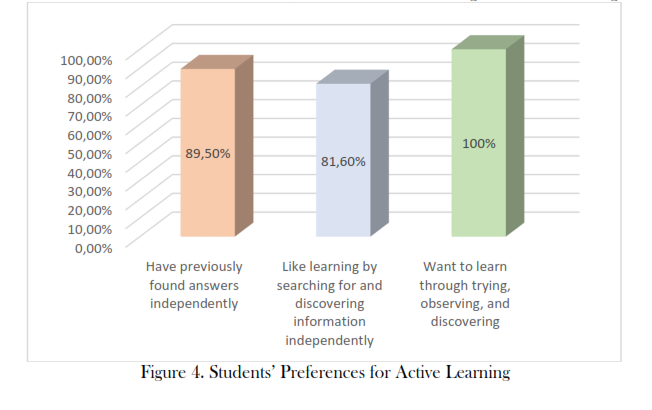
Limited integration of local plant knowledge into science learning highlighted the need to identify students’ requirements for contextual digital learning resources. This study aimed to analyze students’ needs to inform the development of a Bangka Island ethnopedagogy-based Liveworksheet incorporating Discovery Learning. A descriptive survey involved 38 Grade VII students at SMP Negeri 3 SATAP Lubuk Besar, Indonesia. Questionnaire responses were analyzed using descriptive statistics and thematic grouping. Although 94.7% of students expressed interest in learning about plants, 57.9% reported difficulties understanding plant-related material. Interest in Liveworksheet reached 92.1%, and 94.7% had access to smartphones or laptops. Furthermore, 94.7% were interested in local plants, but only 50% had previously learned about their cultural uses. All students preferred active learning involving observation, experimentation, and discovery. These findings indicated a need for interactive learning resources that connect local plants and community knowledge with scientific concepts through discovery-oriented activities. The development priorities identified were accessible digital activities, contextual plant content, and opportunities for direct exploration. These findings inform the subsequent design and evaluation of an ethnopedagogy-based Liveworksheet.
Downloads
References
Amelia, A., Yasir, M., & Sidik, R. F. (2024). Ethnobotanic study in sapi sonok Madura herbal as a science learning resource for junior high school students. Jurnal Pendidikan Informatika dan Sains, 13(2), 238–246. https://doi.org/10.31571/saintek.v13i2.8098
Amprazis, A., & Papadopoulou, P. (2026). Designing a teaching–learning sequence to cultivate plant awareness through transformative learning. Education Sciences, 16(1), Article 46. https://doi.org/10.3390/educsci16010046
Aprilia, S., Ratnasari, J., & Suhendar. (2026). Integration of local wisdom in CTL learning to improve conceptual understanding of plant diversity in junior high school students. Bioilmi: Jurnal Pendidikan, 12(1), 26–38. https://doi.org/10.19109/bioilmi.v12i1.36559
Ariana, L. (2025). Research trends on ethnoscience-based learning models with an ethnopedagogical approach to train students’ science literacy and learning independence (2015–2024): A systematic review. International Journal of Science Education and Science, 2(2), 153–161. https://doi.org/10.56566/ijses.v2i2.271
Balas, B., & Momsen, J. L. (2014). Attention “blinks” differently for plants and animals. CBE—Life Sciences Education, 13(3), 437–443. https://doi.org/10.1187/cbe.14-05-0080
Firdaus, D. M., Sriyanti, I., & Marlina, L. (2024). Analisis kebutuhan E-LKPD berbasis problem based learning materi filtrasi untuk meningkatkan keterampilan berpikir kritis. LENSA (Lentera Sains): Jurnal Pendidikan IPA, 14(2), 120–128. https://doi.org/10.24929/lensa.v14i2.577
Firnanda, F. A., & Sukarmin. (2026). Interactive Liveworksheet-based learning on chemical reaction rates to enhance high school students’ learning outcomes. Indonesian Journal of Science and Mathematics Education, 9(2), 371–389. https://doi.org/10.24042/ijsme.v9i2.31931
Fitri, H., Rahmi, F. O., Anggriyani, R., Ardi, & Yogica, R. (2025). Analisis kebutuhan pengembangan lembar kerja peserta didik (LKPD) berbasis problem based learning (PBL) pada materi sistem pencernaan untuk peserta didik fase F. EDU RESEARCH, 6(4), 1925–1929. https://doi.org/10.47827/jer.v6i4.1809
Ghaisani, N. R. T., & Setyasto, N. (2023). The development of Liveworksheets-based electronic student worksheets (E-LKPD) to improve science learning outcomes. Jurnal Penelitian Pendidikan IPA, 9(8), 6147–6156. https://doi.org/10.29303/jppipa.v9i8.4571
Gonzales, D. K. P., Salic-Hairulla, M. A., & Madale, V. A. (2026). Ethnobotanical plant awareness among secondary school students of Malaybalay, Philippines. International Journal of Evaluation and Research in Education, 15(1), 146–156. https://doi.org/10.11591/ijere.v15i1.36095
Hidayah, H., Zubaidah, S., & Setiowati, F. K. (2025). E-pocket book of angiosperms diversity of Ghimbo Pomuan Sacred Forest to improve students’ species literacy and plant awareness. Jurnal Pendidikan: Teori, Penelitian, dan Pengembangan, 10(7), 311–323. https://doi.org/10.17977/jptpp.v10i7.25954
Hikmah, N., Yohandri, Arsih, F., Azhar, M., & Razak, A. (2025). Uncovering the potential of ethnoscience in science learning to improve students’ literacy: A systematic-literature review (2014–2024). Jurnal Pendidikan IPA Indonesia, 14(3), 550–562. https://doi.org/10.15294/jpii.v14i3.19591
Jannah, R., Festiyed, Yerimadesi, Lufri, & Putra, S. (2022). Ethnoscience in learning science: A systematic literature review. Scientiae Educatia: Jurnal Pendidikan Sains, 11(2), 175–184. https://doi.org/10.24235/sc.educatia.v11i2.11488
Januarti, I. M., & Muliyadi, L. (2024). Development of ethnoscience-based student worksheet using the guided inquiry learning model to increase students’ learning motivation and scientific literacy: A review. International Journal of Science Education and Science, 1(1), 13–18. https://doi.org/10.56566/ijses.v1i1.109
Jayadi, A., Wadi, H., & Kurniati, W. (2026). Integrasi kearifan lokal dalam pembelajaran biologi untuk meningkatkan keterhubungan konsep dan konteks siswa. PLASMA: Jurnal Pendidikan Biologi, 1(2), 51–59. https://doi.org/10.71094/plasma.v1i2.420
Karousos, N., Vorvilas, G., Pantazi, D., Tzagarakis, M., Karacapilidis, N., & Verykios, V. S. (2025). Summarizing responses to open-ended questions in educational surveys: A microservice-oriented approach. Intelligent Decision Technologies, 19(2), 781–803. https://doi.org/10.1177/18724981241303216
Khotami, M. H., Marlina, L., & Wiyono, K. (2023). The needs analysis of the electronic student worksheets (e-LKPD) based on discovery learning for the topic of traveling waves in high school. Jurnal Pendidikan Fisika dan Teknologi, 9(1), 163–170. https://doi.org/10.29303/jpft.v9i1.5223
Kirchoff, B. K., Delaney, P. F., Horton, M., & Dellinger-Johnston, R. (2014). Optimizing learning of scientific category knowledge in the classroom: The case of plant identification. CBE—Life Sciences Education, 13(3), 425–436. https://doi.org/10.1187/cbe.13-11-0224
Linderwell, S., Hargiss, C. L. M., & Norland, J. (2024). Do demographic factors impact plant knowledge and plant awareness disparity? Natural Sciences Education, 53(1), Article e20146. https://doi.org/10.1002/nse2.20146
Marcos-Walias, J., Bobo-Pinilla, J., Delgado Iglesias, J., & Reinoso Tapia, R. (2023). Plant awareness disparity among students of different educational levels in Spain. European Journal of Science and Mathematics Education, 11(2), 234–248. https://doi.org/10.30935/scimath/12570
Rofi’i, M., Iswari, R. S., & Indriyanti, D. R. (2022). Development of e-module ethnobotany based on Lombok local wisdom to improve student motivation and learning outcomes in high school. Journal of Innovative Science Education, 11(3), 362–372. https://doi.org/10.15294/jise.v11i1.59518
Rosyidah, F., Susantini, E., Yuliani, Y., & Nisa’, K. (2025). Local wisdom and STEM in science education to support SDG-4: A systematic review. Jurnal Pendidikan IPA Indonesia, 14(4), 654–666. https://doi.org/10.15294/jpii.v14i4.34450
Sakinah, W., Hernawati, D., & Fitriani, R. (2026). Implementasi e-modul interaktif Sundanese edible plants melalui problem based learning untuk meningkatkan plant awareness peserta didik. Didaktika Biologi: Jurnal Penelitian Pendidikan Biologi, 10(1), 1–10. https://doi.org/10.32502/didaktikabiologi.v10i1.705
Sofiyana, M. S., Amarlita, D. M., & Ningrum, P. M. (2026). Ethnobotanical data needs and their application in biology learning. JOSAR (Journal of Students Academic Research), 11(1), 51–61. https://doi.org/10.35457/etstnw87
Suciyati, A., Suryadarma, I. G. P., & Paidi. (2021). Integration of ethnoscience in problem-based learning to improve contextuality and meaning of biology learning. Biosfer: Jurnal Pendidikan Biologi, 14(2), 201–215. https://doi.org/10.21009/biosferjpb.18424
Faridah, F., Luthfiyati, D., Fatmawaty, R., Asrori, M., Sukardi, S., Septaria, K., & Zamroni, M. R. (2026). Peningkatan Kapasitas Publikasi Ilmiah Guru MIUS Lamongan melalui Pelatihan Pemetaan Bibliometrik dan Pendekatan Futures Thinking. Bhakti Nusantara: Jurnal Pengabdian Kepada Masyarakat, 2(1), 25-43.
Huda, M., Septaria, K., Rosdiana, S. R., Shafikha, R., & Salami, W. (2026). DEVELOPING AUGMENTED REALITY-BASED LEARNING MEDIA FOR TSUNAMI MITIGATION TO ADDRESS STUDENT MICRO-LEARNING CHALLENGES. JPPIPA (Jurnal Penelitian Pendidikan IPA), 11(1), 33-47.
Fatharani, A., Madlazim, M., Anggaryani, M., Satriawan, M., & Septaria, K. (2026). Learning from Earthquakes: The Role of Socio-Scientific Issues in Developing Students’ Science Argumentation Skills. Prisma Sains: Jurnal Pengkajian Ilmu dan Pembelajaran Matematika dan IPA IKIP Mataram, 14(1), 123-143.
Hendratmoko, A. F., Fauziah, A. N. M., Susiyawati, E., Astriani, D., Nurita, T., Martini, M., ... & Boey, A. (2026). Integrating ChatGPT-driven self-assessment and Debate Based on Inquiry Learning (DBOIL) to enhance students’ argumentation skills: Leveraging AI for quality science learning aligned with SDG 4. In E3S Web of Conferences (Vol. 696, p. 02005). EDP Sciences.
Septaria, K., Asrori, M., Setyo, C. Y., Faridah, F., Anam, M. K., Sukardi, S., & Kholiq, A. (2025). Pemberdayaan Guru Ma'arif melalui Pemanfaatan Deep Learning Engagement Tools untuk Peningkatan Literasi Digital dan Pedagogis. Bhakti Nusantara: Jurnal Pengabdian Kepada Masyarakat, 1(1), 25-39.
Septaria, K., Fatharani, A., & Baihaqi, A. (2025). Are Scrapbooks Able to Increase Tsunami Disaster Literacy? An Analytical Study of Junior High School Students Materials. SEJ (Science Education Journal), 9(2), 115-133. https://doi.org/10.21070/sej.v9i2.1656
Septaria, K., Fatharani, A., Supardi, Z. A. I., Suyono, S., & Regita, M. A. (2025). Pengembangan Sikap Ilmiah Abad 21 Melalui Lembar Kerja Berbasis Teori Pembelajaran Sosial pada Materi Listrik Statis. Jurnal Penelitian Sains dan Pendidikan (JPSP), 5(1), 65-86. https://doi.org/10.23971/jpsp.v5i1.9758
Sho'idah, Y., Septaria, K., & Wulandari, S. A. (2025). Analysis of Student Scientific Communication Based on The Development and Use of Diorama Media Using The Guided Inquiry Model. Reforma: Jurnal Pendidikan dan Pembelajaran, 15(1), 24-47. https://doi.org/10.30736/reforma.v15i1.1207
Hendratmoko, A. F., Puspitarini, S., Budiyanto, M., Rahman, N., Septaria, K., & Marpuah, S. (2025). Think-Aloud Protocol as a Method for Exploring and Understanding the Argumentation Skills of Pre-Service Science Teachers. Prisma Sains: Jurnal Pengkajian Ilmu dan Pembelajaran Matematika dan IPA IKIP Mataram, 13(2), 268-282. https://doi.org/10.33394/j-ps.v13i2.15214
Septaria, K., Fatharani, A., Dewanti, B. A., & Najawa, W. C. (2024). Designing Pirposal-learning based Module integrated with Socio-Scientific Issue to Enhance Students’ Scientific Reasoning Skill. Indonesian Journal of Mathematics and Natural Science Education, 5(2), 122-134. https://doi.org/10.35719/mass.v5i2.162
Septaria, K., Nissak, K., & Wulandari, S. A. (2023). Student Identity and Guided Inquiry Learning in Junior High School Students: A Correlation Analysis. Jurnal Penelitian Pendidikan IPA, 9(10), 8351-8358. https://doi.org/10.29303/jppipa.v9i10.4584
Septaria, K., Dewanti, B. A., & El Afidah, M. I. (2020). Development of module disaster mitigation based on STEM for secondary schools. JPPIPA (Jurnal Penelitian Pendidikan IPA), 5(2), 61-68. https://doi.org/10.26740/jppipa.v5n2.p61-68
Septaria, K. (2019). Mengeksplorasi Argumentasi dan Pengetahuan Pendidik Ilmu Pengetahuan Alam (IPA) tentang Pemanasan Global. PEDAGOGIA: Jurnal Pendidikan, 8(2), 247-256. https://doi.org/10.21070/pedagogia.v8i2.2369
Septaria, K., & Fatharani, A. (2022). Analisis Penggunaan Software PlantNet Terhadap Pemerolehan Konsep Dan Keterampilan Prosedural Siswa. Indonesian Journal of Educational Science (IJES), 5(1), 73-83. https://doi.org/10.31605/ijes.v5i1.1604
Septaria, K., Dewanti, B. A., & Habibbulloh, M. (2019). Implementasi metode pembelajaran spot capturing pada materi pemanasan global untuk meningkatkan keterampilan proses sains. Prisma Sains: Jurnal Pengkajian Ilmu dan Pembelajaran Matematika dan IPA IKIP Mataram, 7(1), 27-37. https://doi.org/10.33394/j-ps.v0i0.1379
Septaria, K., & Fatharani, A. (2022). Manga versus webtoon: Alternative science learning module based on Dr Stone. Jurnal Inovasi Pendidikan IPA, 8(1), 11-22. https://doi.org/10.21831/jipi.v8i1.43389
Septaria, K., & Haque, E. H. (2022). Upaya Peningkatan Pengetahuan Masyarakat terhadap Covid-19 Menggunakan Media Poster. TAAWUN, 2(02), 115-124.
Septaria, K., Sholihin, M., Kholiq, A., Hayati, E., & Maulana, V. I. P. (2022). Peningkatan Kualitas Pendidik dan Pembelajaran Menuju Madrasah yang Ungggul dan Berkelanjutan. Jurnal Berdaya Mandiri, 4(2), 167-181. https://doi.org/10.31316/jbm.v4i2.1742
Downloads
Published
How to Cite
Issue
Section
License
Copyright (c) 2026 Lilis Karlina, Saleh Hidayat, Marlina Ummas Genisa

This work is licensed under a Creative Commons Attribution-ShareAlike 4.0 International License.
Authors who publish with this journal agree to the following terms:
- Authors retain copyright and grant the journal right of first publication with the work simultaneously licensed under a Creative Commons Attribution-ShareAlike 4.0 International License that allows others to share the work with an acknowledgment of the work's authorship and initial publication in this journal.
- Authors are able to enter into separate, additional contractual arrangements for the non-exclusive distribution of the journal's published version of the work (e.g., post it to an institutional repository or publish it in a book), with an acknowledgment of its initial publication in this journal.
- Authors are permitted and encouraged to post their work online (e.g., in institutional repositories or on their website) prior to and during the submission process, as it can lead to productive exchanges, as well as earlier and greater citation of published work (See The Effect of Open Access).

This work is licensed under a Creative Commons Attribution-ShareAlike 4.0 International License.