A Systematic Literature Review of Discovery Learning for Improving Critical Thinking Skills in Junior High School
DOI:
https://doi.org/10.30736/seaj.v8i2.1327Keywords:
critical thinking, discovery learning, junior high school studentsAbstract
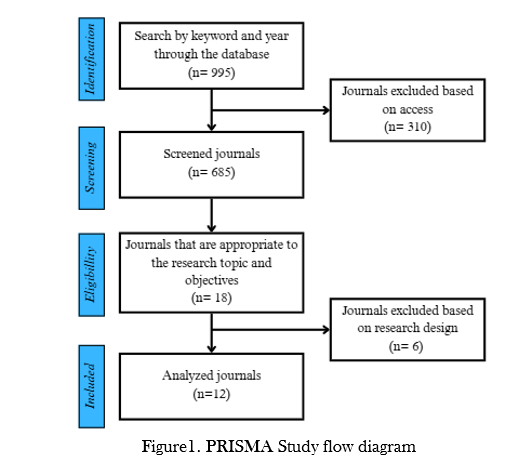
Critical thinking skills are among the most important in 21st-century education. Discovery Learning is considered relevant because it emphasizes active student involvement in discovering concepts through the stages of stimulation, problem identification, data collection, data processing, verification, and generalization. This study aims to analyze the application of the Discovery Learning model in improving junior high school students’ critical thinking skills in science learning. The study employed the Systematic Literature Review (SLR) method. This study utilized the PRISMA approach to analyze articles published between 2021 and 2025 related to Discovery Learning and critical thinking skills, as evidenced by the increase in both posttest average scores and N-Gain scores in the experimental class. The effectiveness of learning increases when this model is combined with innovative media, such as PowerPoint, microlearning videos, augmented reality (AR), and student worksheets that incorporate local wisdom-based approaches. These media help students understand abstract concepts visually and contextually, thereby increasing motivation, participation, and independent learning. It can be concluded the reviewed studies suggest that Discovery Learning has the potential to support the development of students’ critical thinking skills in science learning for strengthening junior high school students’ critical thinking skills in science learning, mainly when supported by innovative and contextual learning media.
Downloads
References
Agustira, S., & Rahmi, R. (2022). Penggunaan Media Pembelajaran Untuk Meningkatkan Hasil Belajar Siswa Pada Tingkat Sd. MUBTADI: Jurnal Pendidikan Ibtidaiyah, 4(1), 72–80. https://doi.org/10.19105/mubtadi.v4i1.6267
Amalia, A., Puspita Rini, C., & Amaliyah, A. (2021). Analisis Kemampuan Berpikir Kritis Siswa Kelas V Dalam Pembelajaran Ipa Di Sdn Karang Tengah 11 Kota Tangerang. SIBATIK JOURNAL: Jurnal Ilmiah Bidang Sosial, Ekonomi, Budaya, Teknologi, Dan Pendidikan, 1(1), 33–44. https://doi.org/10.54443/sibatik.v1i1.4
Anggraeni, R. A., Wahyuni, S., Bachtiar, R. W., Karimah, A., & Yusmar, F. (2025). Kajian Literatur : Peran Discovery Learning pada Pembelajaran IPA dalam Mengembangkan Berpikir Kritis pada Siswa Sekolah Menengah Pertama. Pendas : Jurnal Ilmiah Pendidikan Dasar, 10(02), 300–308.
Ariadila, S. N., Silalahi, Y. F. N., Fadiyah, F. H., Jamaludin, U., & Setiawan, S. (2023). Analisis Pentingnya Keterampilan Berpikir Kritis Terhadap Pembelajaran Bagi Siswa. Jurnal Ilmiah Wahana Pendidikan, 9(20), 664–669.
As’adah, N. A., & Setiawan, B. (2024). Analisis Keterampilan Berpikir Kritis Siswa Terhadap Penerapan Model Discovery Learning Berbantuan Lkpd Berbasis Kearifan Lokal. Pensa E-Jurnal : Pendidikan Sains, 12(3), 109–114.
Bahtiar, B., Maimun, M., & Baiq Lily Anggriani W. (2022). Pengaruh Model Discovery Learning Melalui Kegiatan Praktikum IPA Terpadu Terhadap Kemampuan Berpikir Kritis Siswa. Jurnal Pendidikan Mipa, 12(2), 134–142. https://doi.org/10.37630/jpm.v12i2.564
Barid, S. S. A. Q., Gunawan, A. S., Yusmar, F., Astuti, S. Y., & Wahyuni, S. (2025). A Systematic Review of Critical Thinking Assessment Instruments in Junior High School Science Education : Trends , Effectiveness , and Challenges. Science Education and Application Journal, 7(2), 210–220.
Billah, K., Yusmar, F., Bachtiar, R. W., Karimah, A., & Barid, S. S. A. Q. (2025). Studi literatur: pengembangan lkpd untuk meningkatkan literasi sains siswa smp pada pembelajaran ipa. Lensa (Lentera Sains): Jurnal Pendidikan IPA, 15(2), 132–141. https://doi.org/10.24929/lensa.v15i2.895
Chusni, M. M., Saputro, S., Suranto, & Rahardjo, S. B. (n.d.). Enhancing Critical Thinking Skills of Junior High School Students through Discovery-Based Multiple Representations Learning Model. In International Journal of Instruction (Vol. 15, Issue 1, pp. 927–945).
Ennis, R. H. (1996). Critical Thinking Dispositions: Their Nature and Assessability. Informal Logic, 18(2), 165–182. https://doi.org/10.22329/il.v18i2.2378
Fadillah, S., Ramadhani, E., & Kuswdyanarko, A. (2021). the Effectiveness of the Discovery Learning Model in Improving Student’S Critical Thinking Ability in Science Learning. Jurnal Ilmu Kependidikan, 19(3), 433–440.
Firdaus, Z., Listiana, L., Gayatri, Y., & Asy’ari, A. (2022). Penerapan discovery learning dalam melatih keterampilan berpikir kritis dan meningkatkan motivasi siswa Miftahuddeen School, Nathawee District, Thailand. Jurnal Pendidikan Profesi Guru, 3(1), 17–22. https://doi.org/10.22219/jppg.v3i1.24003
Gaol, A. F. L., Azizahwati, A., & Zulhelmi, Z. (2022). Implementasi Media Pembelajaran Berbasis Pendekatan Saintifik Menggunakan Augmented Reality pada Materi Tata Surya untuk Meningkatkan Keterampilan Berpikir Kritis Peserta Didik Kelas. Jurnal Pendidikan Tambusai, 6(2), 14190–14199.
Hamdani, A. D., Nurhafsah, N., & Rustini, T. (2022). Pengaruh Penerapan Model Problem Based Learning (PBL) dalam Pembelajaran IPS terhadap Kemampuan Berpikir Tingkat Tinggi (HOTS) pada Siswa Sekolah Dasar. Journal on Education, 5(1), 460–468. https://doi.org/10.31004/joe.v5i1.620
Indah, N. L. (2024). Model Pembelajaran Discovery Learning Pada Operasi Bilangan Kelas 4 SD. SCIENCE : Jurnal Inovasi Pendidikan Matematika Dan IPA, 4(4), 382–399.
Kusuma, T. S. W., & Mustari, M. (2023). Model Discovery Learning Sebagai Upaya Meningkatkan Kemampuan Menulis Teks Cerita Pada Siswa SD. Jurnal Ilmiah Pendidik Indonesia, 2(1), 46–55. https://doi.org/10.56916/jipi.v2i1.319
Mahardika, S. P., Hidayati, S. N., & Aulia, E. V. (2024). Efektivitas Discovery Learning Berorientasi Video Microlearning dalam Meningkatkan Keterampilan Berpikir Kritis Siswa. Nusantara: Jurnal Pendidikan Indonesia, 4(4). https://doi.org/DOI: https://doi.org/10.14421/njpi.2024.v4i4-1
Marhamah, Fatmawati, Y., & Mazianto. (2025). Efektivitas Model Discovery Learning dalam Meningkatkan Kemampuan Berpikir Kritis Siswa SMP Negeri 2 Dayun. EduSpirit : Jurnal Pendidikan Kolaboratif, 02(01), 213–217. https://doi.org/10.0.223.167/eduspirit.v1i1.17
Marinda, F. R., & Rakhmawan, A. (2025). Penerapan Model Pembelajaran Discovery Learning Berbantuan Media AR pada Materi Tata Surya untuk Meningkatkan Keterampilan Berpikir Kritis Siswa. Jurnal Natural Science Educational Research, 8(1), 43–48.
Novitasari, N. A., & Laili, A. M. (2023). Pengaruh Model Discovery Learning Berbantuan Media Powerpoint Terhadap Kemampuan Berpikir Kritis Ipa Siswa Kelas Viii. LENSA (Lentera Sains): Jurnal Pendidikan IPA, 13(1), 30–38. https://doi.org/10.24929/lensa.v13i1.257
Puspita, D., Wardana, L. A., Hattarina, S., & S, R. P. (2025). Pengembangan Media Diorama Materi Fotosintesis Berbasis Ar Meningkatkan Pemahaman Berfikir Kritis Siswa Dalam Pembelajaran IPAS Kelas IV DI SDN PILANG 1. Journal Educational Research and Development, 01(03), 351–363.
Putri, G. V., Savitri, E. N., & Setiana, H. (2023). Peningkatan Kemampuan Berpikir Pembelajaran Discovery Learning Kritis Siswa Melalui Model. Lambda: Jurnal Pendidikan MIPA Dan Aplikasinya, 3(1), 29–36. https://doi.org/htps://doi.org/10.58218/lambda.v3i1.549
Rizkia, A., Zahrotin, A., & Agnafia, D. N. (2024). Efektivitas Model Pembelajaran QODE dan Discovery Learning untuk Meningkatkan Berpikir Kritis Siswa SMP dalam Pelajaran IPA. Nusantara: Jurnal Pendidikan Indonesia, 4(3), 780–793. https://doi.org/10.14421/njpi.2024.v4i3-12
Ruhana, B. A., Meiliyadi, L. A. D., & Zaini, M. (2023). Pengaruh Model Discovery Learning Terhadap Keterampilan Berpikir Kritis Siswa Pada Materi Suhu Dan Kalor. Relativitas: Jurnal Riset Inovasi Pembelajaran Fisika, 6(1), 1. https://doi.org/10.29103/relativitas.v6i1.10375
Sa’diyah, H., & Aini, S. (2022). Model Pembelajaran Project based learning Pada Perkembangan berfikir Kritis Siwa : Literatur Review. Maret, 1(1), 2022–2023.
Sayangan, Y. V., Una, L. M., & Beku, V. Y. (2024). Penerapan Model Pembelajaran Discovery Learning dalam Meningkatkan Kemampuan Berpikir Kritis Siswa Sekolah Dasar pada Pembelajaran IPAS. Jurnal Pendidikan MIPA, 14(3), 757–766. https://doi.org/https://doi. org/10.37630/jpm.v14i3.1829
Setyawan, R. A., & Kristanti, H. S. (2021). Keterampilan Berpikir Kritis pada Pembelajaran IPA Melalui Model Pembelajaran Discovery Learning bagi Siswa Sekolah Dasar. Jurnal Basicedu, 5(2), 1076–1082.
Sinambela, P. N. J. M. (2013). Kurikulum 2013 , Guru , Siswa , Afektif , Psikomotorik , Kognitif. E-Journal Universitas Negeri Medan, 6(2), 17–29.
Solichah, P. N., & Sari, D. A. P. (2023). Pembelajaran Learning Cycle 5E untuk Meningkatkan Kemampuan Berpikir Kritis Siswa SMP Kelas VIII. Jurnal Pendidikan Mipa, 13(3), 596–602. https://doi.org/10.37630/jpm.v13i3.1117
Suryaningsih, Y. (2022). Diagram Vee Sebagai Media Dalam Mengembangkan. Papanda Journal of Mathematics and Sciences Research (PJMSR), 1(1), 38–46.
Syamsiandari, L. A., Wahyuni, S., Astuti, S. R. D., & Barid, S. S. A. U. Q. (2025). Implementation of STEM Education In Developing Critical Thinking In Junior High School Students: Systematic Literature Review. Pendas : Jurnal Ilmiah Pendidikan Dasar, 10(4), 255–264.
Tuara, N. A., & Tasanif, N. H. (2025). Penerapan Model Pembelajaran Discovry Learnin Dalam Meningkatkan Keterampilan Berfikir Kritis Siswa SMP Negeri 52 Satap Halmahera Selatan. Jurnal Pendidikan Dan Ekonomi (JUPEK), 6(2), 2746–1092. https://doi.org/10.5281/ zenodo.15726379
Wahyuni, S., Harimisa, G. S., Rusdianto, R., Barid, S. S. A. U. Q., & Apriyanti, S. E. (2025). Integration of local potential from grenden village into science e-modules to enhance the science process skills of junior high school students. Journal of Science Learning, 8(4), 1–20. https://doi.org/https://doi.org/10.17509/jsl.v8i4.88204
Zega, J. N., & Susanto, Y. N. (2024). Media Pembelajaran Alam Dalam Proses Belajar Mengajar. Metanoia, 6(1). https://doi.org/10.55962/metanoia.v6i1.121
Zulfa, M. S., Salsabila, N., Putra, B. P., Qomariah, L., Barid, S. S. A. Q., & Wahyuni, S. (2025). Optimizing the local potential of coffee aromatherapy candles as a flagship product of sekolah alam nusantara in suci villages. Jurnal Pemberdayaan Masyarakat, 4(4), 923–934. https://doi.org/10.46843/jpm.v4i4.563
Zulfiana, S., Gunamantha, I. M., & Putrayasa, I. B. (2023). Pengembangan Instrumen Kemampuan Berpikir Tingkat Tinggi Dan Literasi Sains Pada Pembelajaran Ipa Kelas V Sd. PENDASI: Jurnal Pendidikan Dasar Indonesia, 7(1), 13–24.
Faridah, F., Luthfiyati, D., Fatmawaty, R., Asrori, M., Sukardi, S., Septaria, K., & Zamroni, M. R. (2026). Peningkatan Kapasitas Publikasi Ilmiah Guru MIUS Lamongan melalui Pelatihan Pemetaan Bibliometrik dan Pendekatan Futures Thinking. Bhakti Nusantara: Jurnal Pengabdian Kepada Masyarakat, 2(1), 25-43.
Huda, M., Septaria, K., Rosdiana, S. R., Shafikha, R., & Salami, W. (2026). DEVELOPING AUGMENTED REALITY-BASED LEARNING MEDIA FOR TSUNAMI MITIGATION TO ADDRESS STUDENT MICRO-LEARNING CHALLENGES. JPPIPA (Jurnal Penelitian Pendidikan IPA), 11(1), 33-47.
Fatharani, A., Madlazim, M., Anggaryani, M., Satriawan, M., & Septaria, K. (2026). Learning from Earthquakes: The Role of Socio-Scientific Issues in Developing Students’ Science Argumentation Skills. Prisma Sains: Jurnal Pengkajian Ilmu dan Pembelajaran Matematika dan IPA IKIP Mataram, 14(1), 123-143.
Hendratmoko, A. F., Fauziah, A. N. M., Susiyawati, E., Astriani, D., Nurita, T., Martini, M., ... & Boey, A. (2026). Integrating ChatGPT-driven self-assessment and Debate Based on Inquiry Learning (DBOIL) to enhance students’ argumentation skills: Leveraging AI for quality science learning aligned with SDG 4. In E3S Web of Conferences (Vol. 696, p. 02005). EDP Sciences.
Septaria, K., Asrori, M., Setyo, C. Y., Faridah, F., Anam, M. K., Sukardi, S., & Kholiq, A. (2025). Pemberdayaan Guru Ma'arif melalui Pemanfaatan Deep Learning Engagement Tools untuk Peningkatan Literasi Digital dan Pedagogis. Bhakti Nusantara: Jurnal Pengabdian Kepada Masyarakat, 1(1), 25-39.
Septaria, K., Fatharani, A., & Baihaqi, A. (2025). Are Scrapbooks Able to Increase Tsunami Disaster Literacy? An Analytical Study of Junior High School Students Materials. SEJ (Science Education Journal), 9(2), 115-133. https://doi.org/10.21070/sej.v9i2.1656
Septaria, K., Fatharani, A., Supardi, Z. A. I., Suyono, S., & Regita, M. A. (2025). Pengembangan Sikap Ilmiah Abad 21 Melalui Lembar Kerja Berbasis Teori Pembelajaran Sosial pada Materi Listrik Statis. Jurnal Penelitian Sains dan Pendidikan (JPSP), 5(1), 65-86. https://doi.org/10.23971/jpsp.v5i1.9758
Sho'idah, Y., Septaria, K., & Wulandari, S. A. (2025). Analysis of Student Scientific Communication Based on The Development and Use of Diorama Media Using The Guided Inquiry Model. Reforma: Jurnal Pendidikan dan Pembelajaran, 15(1), 24-47. https://doi.org/10.30736/reforma.v15i1.1207
Hendratmoko, A. F., Puspitarini, S., Budiyanto, M., Rahman, N., Septaria, K., & Marpuah, S. (2025). Think-Aloud Protocol as a Method for Exploring and Understanding the Argumentation Skills of Pre-Service Science Teachers. Prisma Sains: Jurnal Pengkajian Ilmu dan Pembelajaran Matematika dan IPA IKIP Mataram, 13(2), 268-282. https://doi.org/10.33394/j-ps.v13i2.15214
Septaria, K., Fatharani, A., Dewanti, B. A., & Najawa, W. C. (2024). Designing Pirposal-learning based Module integrated with Socio-Scientific Issue to Enhance Students’ Scientific Reasoning Skill. Indonesian Journal of Mathematics and Natural Science Education, 5(2), 122-134. https://doi.org/10.35719/mass.v5i2.162
Septaria, K., Nissak, K., & Wulandari, S. A. (2023). Student Identity and Guided Inquiry Learning in Junior High School Students: A Correlation Analysis. Jurnal Penelitian Pendidikan IPA, 9(10), 8351-8358. https://doi.org/10.29303/jppipa.v9i10.4584
Septaria, K., Dewanti, B. A., & El Afidah, M. I. (2020). Development of module disaster mitigation based on STEM for secondary schools. JPPIPA (Jurnal Penelitian Pendidikan IPA), 5(2), 61-68. https://doi.org/10.26740/jppipa.v5n2.p61-68
Septaria, K. (2019). Mengeksplorasi Argumentasi dan Pengetahuan Pendidik Ilmu Pengetahuan Alam (IPA) tentang Pemanasan Global. PEDAGOGIA: Jurnal Pendidikan, 8(2), 247-256. https://doi.org/10.21070/pedagogia.v8i2.2369
Septaria, K., & Fatharani, A. (2022). Analisis Penggunaan Software PlantNet Terhadap Pemerolehan Konsep Dan Keterampilan Prosedural Siswa. Indonesian Journal of Educational Science (IJES), 5(1), 73-83. https://doi.org/10.31605/ijes.v5i1.1604
Septaria, K., Dewanti, B. A., & Habibbulloh, M. (2019). Implementasi metode pembelajaran spot capturing pada materi pemanasan global untuk meningkatkan keterampilan proses sains. Prisma Sains: Jurnal Pengkajian Ilmu dan Pembelajaran Matematika dan IPA IKIP Mataram, 7(1), 27-37. https://doi.org/10.33394/j-ps.v0i0.1379
Septaria, K., & Fatharani, A. (2022). Manga versus webtoon: Alternative science learning module based on Dr Stone. Jurnal Inovasi Pendidikan IPA, 8(1), 11-22. https://doi.org/10.21831/jipi.v8i1.43389
Septaria, K., & Haque, E. H. (2022). Upaya Peningkatan Pengetahuan Masyarakat terhadap Covid-19 Menggunakan Media Poster. TAAWUN, 2(02), 115-124.
Septaria, K., Sholihin, M., Kholiq, A., Hayati, E., & Maulana, V. I. P. (2022). Peningkatan Kualitas Pendidik dan Pembelajaran Menuju Madrasah yang Ungggul dan Berkelanjutan. Jurnal Berdaya Mandiri, 4(2), 167-181. https://doi.org/10.31316/jbm.v4i2.1742
Downloads
Published
How to Cite
Issue
Section
License
Copyright (c) 2026 Lutfi Fadila Loviana, Sri Wahyuni, Sri Rejeki Dwi Astuti, Siti Shofa Assyifa’ul Qulbi Barid

This work is licensed under a Creative Commons Attribution-ShareAlike 4.0 International License.
Authors who publish with this journal agree to the following terms:
- Authors retain copyright and grant the journal right of first publication with the work simultaneously licensed under a Creative Commons Attribution-ShareAlike 4.0 International License that allows others to share the work with an acknowledgment of the work's authorship and initial publication in this journal.
- Authors are able to enter into separate, additional contractual arrangements for the non-exclusive distribution of the journal's published version of the work (e.g., post it to an institutional repository or publish it in a book), with an acknowledgment of its initial publication in this journal.
- Authors are permitted and encouraged to post their work online (e.g., in institutional repositories or on their website) prior to and during the submission process, as it can lead to productive exchanges, as well as earlier and greater citation of published work (See The Effect of Open Access).

This work is licensed under a Creative Commons Attribution-ShareAlike 4.0 International License.