Understanding Students’ Perceptions of Gamified Science Learning: A Descriptive Analysis of Teams Games Tournament in Environmental Pollution Education
DOI:
https://doi.org/10.30736/reforma.v16i2.1502Keywords:
Teams Games Tournament, Student Perceptions, Cooperative Learning, Game-Based Learning, Environmental Pollution.Abstract
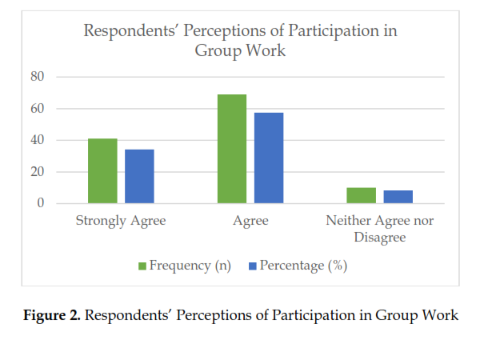
Students’ perceptions provide important insights into how cooperative game-based learning is experienced in science classrooms; however, descriptive evidence concerning these perceptions in environmental pollution education remains limited, particularly in Indonesian junior high schools. This study examined Grade VII students’ perceptions of science learning through the Teams Games Tournament (TGT) model, focusing on instructional attractiveness, group participation, game-based activities, perceived ease of assessment tasks, and the relevance of learning content to everyday life. A descriptive quantitative survey with a cross-sectional, post-instruction design was conducted involving 120 students from four Grade VII classes at SMP Negeri 1 Turi, Lamongan, during the second semester of the 2021/2022 academic year. Data were collected using a ten-item questionnaire with a five-point Likert scale and analysed using descriptive statistics. Expert evaluation indicated that the questionnaire achieved a validity score of 91.13%, categorized as highly valid. The findings revealed generally positive student perceptions of TGT-based science learning. The highest proportion of agreement (74.17%) was observed for the statement concerning the attractiveness of group work and game activities, followed by the perceived relevance of environmental pollution content to everyday life (70.00%). These findings suggest that students particularly appreciated the interactive and contextual features of TGT-based instruction. This study contributes descriptive evidence of students’ perceptions that can inform the design of cooperative and game-based science learning. Nevertheless, the findings should be interpreted as self-reported perceptions rather than evidence of improvements in learning outcomes, student engagement, or environmental behaviour.
Downloads
References
Arif, M. Z. Z., Dewi, N. R., Widiyatmoko, A., & Wiyanto. (2026). Teams Games Tournament for collaboration and learning motivation in junior high science: A systematic review. Science Education Journal, 10(1). https://doi.org/10.21070/sej.v10i1.1751
Artino, A. R., Jr., La Rochelle, J. S., Dezee, K. J., & Gehlbach, H. (2014). Developing questionnaires for educational research: AMEE Guide No. 87. Medical Teacher, 36(6), 463–474. https://doi.org/10.3109/0142159X.2014.889814
Byusa, E., Kampire, E., & Mwesigye, A. R. (2022). Game-based learning approach on students’ motivation and understanding of chemistry concepts: A systematic review of literature. Heliyon, 8(5), e09541. https://doi.org/10.1016/j.heliyon.2022.e09541
Chen, F., & Chen, G. (2025). Technology-enhanced collaborative inquiry in K–12 classrooms: A systematic review of empirical studies. Science & Education, 34, 1731–1773. https://doi.org/10.1007/s11191-024-00538-8
Dianti, H. E. N., Susanti, I., & Septaria, K. (2025). Implementation of Smart Box Media in Problem-Based Learning to Improve Students’ Scientific Literacy on Environmental Pollution. Indonesian Journal of Mathematics and Natural Science Education, 6(2), 96–101. https://doi.org/10.35719/mass.v6i2.221
Downloads
Published
How to Cite
Issue
Section
License
Copyright (c) 2026 Desi Zulfa Eka Cahayati, Indri Susanti, Silvi Rosiva Rosdiana

This work is licensed under a Creative Commons Attribution-ShareAlike 4.0 International License.
Penulis yang mempublikasikan naskahnya pada Jurnal ini menyetujui ketentuan berikut:
- Hak cipta pada setiap artikel adalah milik penulis, dan penulis mengakui bahwa Reforma : Jurnal Pendidikan dan Pembelajaran berhak sebagai pihak yang mempublikasikan pertama kali dengan lisensi Attribution-ShareAlike 4.0 International (CC BY-SA 4.0).
- Lisensi ini mengizinkan setiap orang untuk:
- Berbagi — menyalin dan menyebarluaskan kembali materi ini dalam bentuk atau format apapun;
- Adaptasi — menggubah, mengubah, dan membuat turunan dari materi ini untuk kepentingan apapun, termasuk kepentingan komersial.
Berdasarkan ketentuan berikut:
- Atribusi —Mereka harus mencantumkan nama yang sesuai, mencantumkan tautan terhadap lisensi, dan menyatakan bahwa telah ada perubahan yang dilakukan. Mereka dapat melakukan hal ini dengan cara yang sesuai, namun tidak mengisyaratkan bahwa pemberi lisensi mendukung Mereka atau penggunaan Mereka.
- BerbagiSerupa — Apabila Mereka menggubah, mengubah, atau membuat turunan dari materi ini, Mereka harus menyebarluaskan kontribusi Mereka di bawah lisensi yang sama dengan materi asli.
- Tidak ada pembatasan tambahan — Mereka tidak dapat menggunakan ketentuan hukum atau sarana kontrol teknologi yang secara hukum membatasi orang lain untuk melakukan hal-hal yang diizinkan lisensi ini.
- Penulis dapat memasukan tulisan secara terpisah, mengatur distribusi non-ekskulif  dari naskah yang telah terbit di jurnal ini kedalam versi yang lain (misal: dikirim ke respository institusi penulis, publikasi kedalam buku, dll), dengan mengakui bahwa naskah telah terbit pertama kali pada Reforma : Jurnal Pendidikan dan Pembelajaran